Most bug-out bags fail for the same reason: they're built by shopping lists, not by scenario planning. A 72-hour kit isn't about cramming in every gadget on a survival forum — it's about covering four non-negotiable categories (water, shelter, calories, first aid) in a pack you can actually carry six miles without collapsing. This guide walks through the real priorities, the weight math nobody talks about, and where your money is best spent.
Why 72 Hours Is the Right Baseline
Seventy-two hours is the standard readiness window used by FEMA and most state emergency management agencies — it's roughly the time it takes for organized relief, power restoration, or evacuation logistics to stabilize after a major disruption. Building for 72 hours forces discipline: you're not packing for a month in the woods, you're packing to survive and move during the most chaotic initial window of an emergency.
That distinction matters because it caps weight. A bag meant to sustain someone indefinitely balloons past 50 pounds fast, which is exactly how bug-out bags end up abandoned in a garage instead of grabbed at the door. The goal is a pack in the 20-30 pound range that covers core survival needs without turning evacuation into a hike with a piano on your back.
The Four Non-Negotiables
Every credible 72-hour kit is built around four categories, in priority order: water, shelter/warmth, calories, and first aid/medication. Everything else — tools, communication, hygiene — is secondary and should only make the cut once these four are covered without excess weight.
- Water: minimum 1 liter per person plus a filtration or purification method, not just bottled water alone
- Shelter/warmth: emergency bivy or space blanket, plus a way to layer clothing regardless of season
- Calories: calorie-dense, no-cook food requiring zero prep water or heat source
- First aid & medications: trauma basics plus a 3-7 day supply of any prescription medications
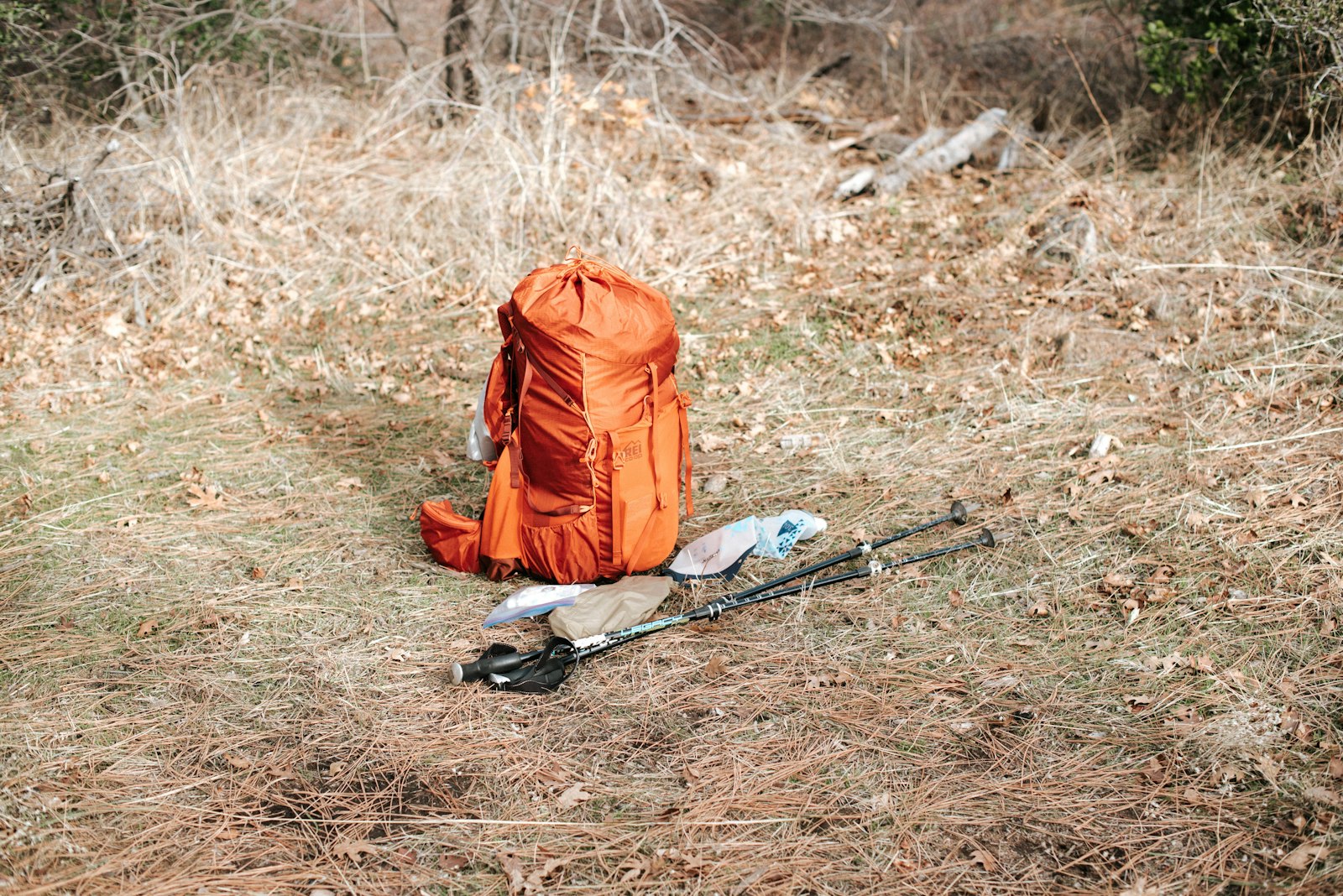
Water: The Category Most Bags Get Wrong
Bottled water is heavy — a single liter weighs about 2.2 pounds, and most kits need at least 3 liters per person to bridge 72 hours safely. That's 6+ pounds before you've packed anything else. The smarter approach is a hybrid: carry 1-2 liters as an immediate buffer, and pack a compact filter or purification tablets to refill from any freshwater source you encounter.
A quality portable filter rated for bacteria and protozoa removal solves the weight problem entirely, since it turns any stream, tap, or collected rainwater into a renewable source instead of a finite one you're carrying on your back.
Compact Water Filters, Compared
Straw-style and pump filters rated for bacteria and protozoa removal — the single highest-leverage item in any bug-out bag.
Shop Water Filters →Shelter and Warmth Without the Bulk
Hypothermia doesn't require freezing temperatures — a wet, windy 50°F night can be enough to become dangerous if you have no way to retain body heat. This is why an emergency bivy or heavy-duty mylar space blanket belongs in every kit regardless of climate or season; they pack down to the size of a fist and weigh only a few ounces.
Layer this with a lightweight rain shell and a compact wool or synthetic base layer. Cotton is the wrong call here — it holds moisture and accelerates heat loss once wet, which is the opposite of what a bug-out bag needs to protect against.

Calories: Density Over Comfort
Food in a bug-out bag has one job: deliver calories without requiring cooking, water, or refrigeration. Freeze-dried meals are excellent for a 3-day window but require boiling water, which adds fuel and time to your plan. For a lean 72-hour kit, calorie-dense bars, nut butters, and dehydrated fruit are more efficient — no prep, no mess, consistent energy.
Aim for roughly 1,200-1,500 calories per person per day as a minimum baseline, prioritizing shelf-stable, high-fat, high-calorie density over volume.
Shelf-Stable Calorie Bars & Electrolytes
Stock dense energy bars, electrolyte tablets, and long-shelf-life snacks that won't spoil in a pack for months at a time.
Shop Emergency Nutrition →First Aid: Beyond the Basic Kit
A store-bought first aid kit is a starting point, not a finished product. Most pre-made kits are heavy on adhesive bandages and light on the items that matter in a real injury scenario: trauma shears, a compression bandage, antiseptic wipes, and a tourniquet if you're trained to use one.
Medications deserve equal attention. If anyone in your household relies on daily prescriptions, a rotating 3-7 day supply stored in the bug-out bag — refreshed regularly so it doesn't expire — closes one of the most commonly overlooked gaps in home preparedness.
Prescription Backup Planning
Talk to a licensed provider about maintaining a short-term backup supply of essential medications for emergency scenarios.
Start Consultation →| Category | Target Weight | Core Item |
|---|---|---|
| Water | 2-4 lbs | 1-2L reserve + compact filter |
| Shelter/Warmth | 1-2 lbs | Emergency bivy + rain layer |
| Calories | 3-4 lbs | Calorie-dense bars, no-cook food |
| First Aid | 1-2 lbs | Trauma kit + medication supply |
| Tools/Misc | 2-3 lbs | Headlamp, multitool, fire starter |
What to Skip
Bug-out bags accumulate clutter fast — extra knives, redundant fire-starting tools, gadgets bought on impulse. Every item added past the four core categories should be weighed against the pounds it costs versus the problem it solves. A second knife rarely earns its weight; a headlamp with spare batteries almost always does.
Test your pack loaded, on foot, for at least a mile before trusting it. Weight that feels reasonable sitting on a shelf often feels very different an hour into an actual evacuation.
Building It Right the First Time
The best bug-out bag is the one that's actually packed, actually tested, and actually within reach when it's needed — not the one with the most features on a spec sheet. Start with the four non-negotiables, weigh your pack, cut anything that doesn't serve water, warmth, calories, or first aid, and revisit the kit twice a year as seasons and medications change.
Readiness isn't a single purchase — it's a system you maintain. Get the fundamentals right and everything else is optional upgrade, not survival necessity.
From across the network
More from the network on related topics: OffGridCommand · TrainLikeAlpha · VitaminSupplyCenter.