Situational awareness gear is only as good as its weakest spec — the beam that dims, the sensor that cries wolf, the battery you forgot to charge. Here's how to buy equipment that actually earns your trust before you need it.
Why Situational Awareness Gear Deserves Real Scrutiny
Situational awareness isn't a mindset you buy — it's a mindset you equip. The right gear closes the gap between noticing a threat and reacting to it: better light on a dark porch, a wider field of view on a night hike, a faster way to confirm what that noise actually was. The wrong gear does the opposite. It fogs, dims, drains, or fails exactly when you need it most.
This guide breaks down what actually matters when shopping for situational awareness tools in 2026 — optics, lighting, alerting, and monitoring gear — and the mistakes that quietly sabotage even expensive purchases.
The Core Categories Worth Owning
Most situational awareness kits fall into four buckets. You don't need all of them at once, but understanding what each does well helps you avoid buying redundant or mismatched gear.
- Illumination tools — flashlights, weapon lights, headlamps built for output, runtime, and beam control
- Optics — binoculars, monoculars, and night vision/thermal devices that extend your effective sightline
- Detection & alerting — motion sensors, door/window alarms, and perimeter monitoring for fixed locations
- Personal monitoring — wearables and apps that track location, vitals, or send alerts to trusted contacts

Illumination: The Most Underrated Category
A quality light does three things cheap lights don't: it holds consistent output rather than dimming halfway through, it offers multiple modes (low for preserving night vision, high for identification, strobe for disorientation), and it's rated for actual weather exposure, not just a marketing sticker. Lumens matter less than beam quality — a well-focused 300-lumen light can outperform a poorly diffused 1000-lumen one at real distances.
Build Your Illumination Layer
Compare rechargeable tactical flashlights with adjustable beam modes and IP-rated weather resistance — the foundation of any awareness kit.
Shop Tactical Flashlights →Quality Markers That Separate Serious Gear From Novelty
Packaging claims are cheap. These are the specs and design details that actually correlate with dependable performance in the field.
- IP rating (IPX4 minimum for splash resistance, IPX7-IPX8 for submersion) rather than vague 'weatherproof' language
- Battery chemistry disclosed clearly — rechargeable lithium with a visible charge indicator beats unlabeled proprietary cells
- Glass or coated lenses on optics, not raw plastic, for clarity and scratch resistance
- Adjustable sensitivity and false-alarm filtering on motion/detection devices, not a single fixed trigger threshold
- Real operating temperature range listed, especially for anything you'll carry in a vehicle or outdoors year-round
Optics: What to Look for Beyond Magnification
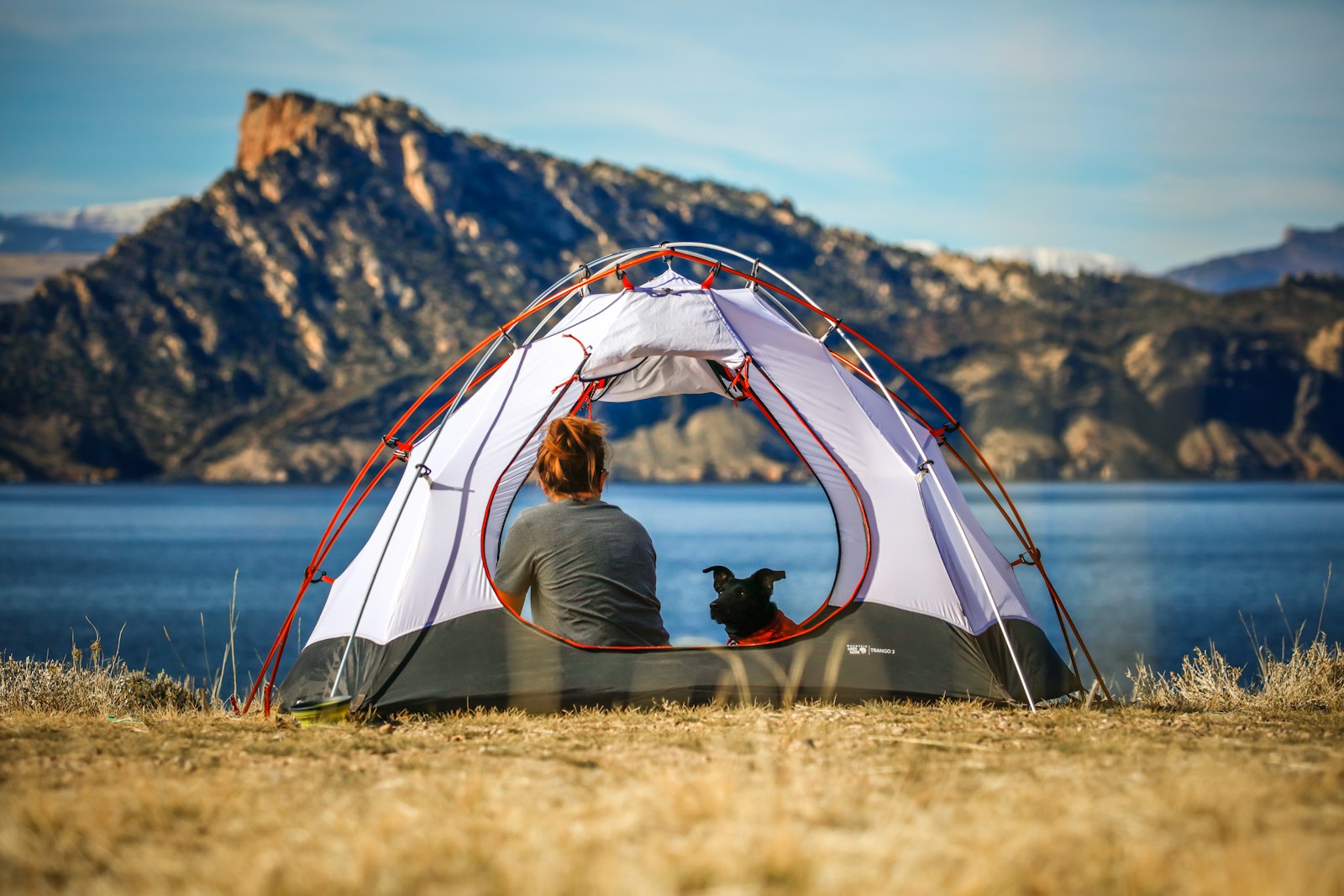
Buyers fixate on magnification number and skip the specs that actually determine usability. Field of view matters more than raw zoom for situational scanning — a wide field lets you track movement across a scene instead of hunting for it through a straw. Exit pupil size affects low-light performance more than magnification does. And for night-capable optics, understand whether you're buying image intensification (amplifies existing light) or thermal (detects heat signatures) — they solve different problems and aren't interchangeable.
Extend Your Field of View
Compact monoculars and binoculars with coated lenses and wide fields of view make scanning terrain or a property line dramatically easier.
Compare Optics on Amazon →Detection and Perimeter Awareness at Home
For fixed locations, situational awareness shifts from 'what can I see' to 'what will alert me.' Entry sensors, motion-triggered lighting, and app-connected cameras extend awareness to hours you're asleep or rooms you're not in. The mistake most buyers make is treating every sensor as equally reliable — cheap PIR (passive infrared) sensors have real limitations around pets, temperature swings, and wind-blown debris that trigger false positives, which trains you to ignore alerts altogether.
| Feature | Why It Matters | Weak Substitute to Avoid |
|---|---|---|
| IP-rated housing | Ensures function in rain, humidity, temperature swings | Indoor-only sensors marketed for outdoor use |
| Adjustable sensitivity | Reduces false alarms from pets or wind | Fixed single-threshold trigger |
| Rechargeable lithium battery with indicator | Predictable runtime, visible charge status | Unlabeled proprietary cells with no gauge |
| Wide dynamic range lens (optics) | Usable image in mixed light/shadow | Fixed-aperture plastic lens |
| Local + cloud alert options | Redundancy if Wi-Fi drops | Cloud-only notification with no local backup |
Personal Monitoring: The Overlooked Layer
Situational awareness isn't only about the environment around you — it includes awareness of your own physiological state, especially on long hikes, solo travel, or physically demanding work. Wearables that track heart rate variability, sleep, and exertion give you an early warning system for fatigue or overexertion before it becomes a safety issue. Pairing that with baseline health data — resting heart rate trends, hydration markers — helps you recognize when your own judgment might be compromised.
Know Your Baseline Before You Rely on It
At-home lab testing panels help you establish baseline vitals — a genuinely useful complement to any wearable-driven awareness routine.
Explore HealthRx Testing →Mistakes That Undermine Even Good Gear
The gap between owning capable equipment and actually being better protected almost always comes down to a handful of avoidable habits.
- Buying maximum lumens or magnification without checking runtime, beam quality, or field of view — the number on the box isn't the whole story
- Never testing gear before you need it — flashlights die, alarms glitch, and you find out at the worst possible moment
- Skipping battery maintenance on rechargeable devices, leading to dead gear during actual emergencies
- Over-trusting a single layer — one flashlight, one sensor — instead of building redundancy across categories
- Ignoring IP and temperature ratings, then being surprised when gear underperforms in real rain or cold
- Choosing detection gear with no false-alarm filtering, which leads to alert fatigue and ignored warnings
Building a Kit That Actually Works Together
The best situational awareness setups aren't a single impressive purchase — they're a small, tested stack: a dependable light you've actually used in the dark, optics matched to your real use case (property scanning vs. distance hiking vs. low-light navigation), a detection layer with sensible alerting, and a personal monitoring habit that flags when you're not at your sharpest. Buy for reliability first, features second, and always test before you trust.
Add a Detection Layer
Motion-activated sensors and entry alarms with adjustable sensitivity round out a situational awareness kit at home or on the road.
Shop Motion Sensors →From across the network
More from the network on related topics: OffGridCommand · TrainLikeAlpha · VitaminSupplyCenter.