When professional help is hours away instead of minutes, first aid stops being a quick patch-up and becomes a skill set for keeping someone stable until real care arrives — here's how it actually works, and what belongs in your kit.
Why Survival First Aid Is Different From a Bathroom Medicine Cabinet
Standard first aid assumes help is minutes away. Survival first aid assumes it isn't. Whether you're miles into backcountry terrain, riding out a grid-down emergency, or simply stuck at home during a disaster when roads are impassable, the goal shifts from "patch it until the paramedics arrive" to "stabilize and manage a problem for hours or days." That distinction changes what you carry, how you train, and what you prioritize.
A scraped knee and a deep laceration require the same basic steps, but survival conditions add variables: contamination risk, limited supplies, no running water, and the need to monitor a wound over an extended period without professional follow-up. Understanding the mechanics of injury, infection, and shock response is what separates a kit that looks complete from one that actually works when it matters.
The Core Categories Every Kit Needs
Survival medicine breaks down into a short list of functional categories. Skipping any one of them creates a gap that's hard to fill improvised in the field.
- Hemorrhage control — pressure dressings, hemostatic gauze, and a tourniquet rated for limb bleeding
- Wound management — irrigation supplies, antiseptic, non-stick dressings, and closure strips
- Fracture and sprain support — rigid splinting material and elastic wrap
- Medication — pain relief, antihistamines, and any personal prescriptions in adequate supply
- Environmental protection — burn gel, blister care, and tick/insect-bite treatment
- Documentation — a basic reference card or guide for steps you won't remember under stress
When You Actually Need This Level of Preparedness
Not everyone needs a trauma-level kit, but more people need one than currently carry one. If any of the following apply to your life, survival first aid isn't overkill — it's baseline competence.
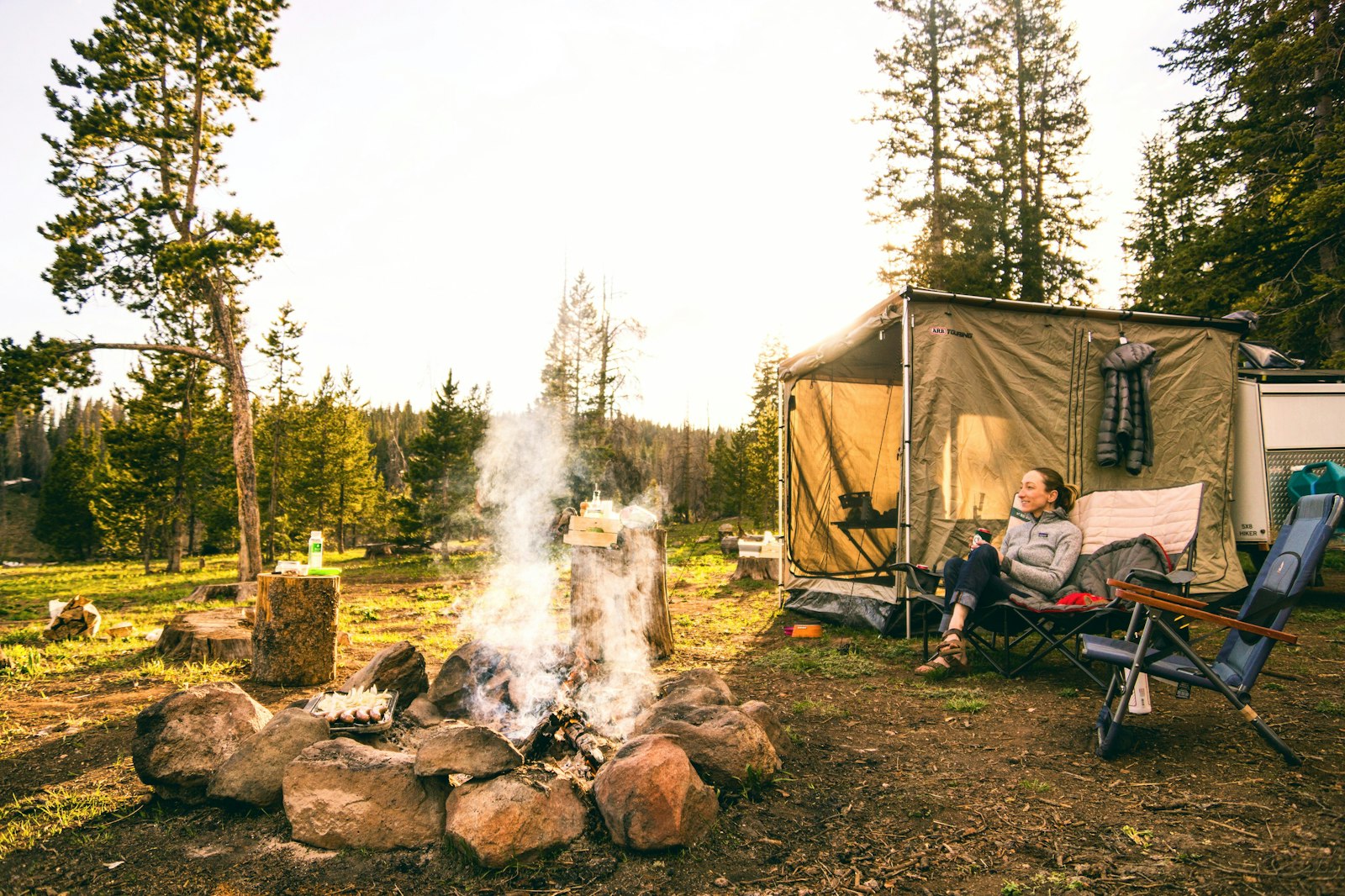
Backcountry hikers, hunters, and overlanders routinely operate hours from definitive care. Rural and off-grid homeowners face longer EMS response times by default. And anyone building a disaster-preparedness plan has to account for hospitals being overwhelmed or inaccessible during large-scale events — a scenario regional planning agencies have flagged repeatedly heading into 2026 as infrastructure strain and extreme weather events both trend upward.
The 15-Minute Rule
A useful gut-check: if professional medical help is more than 15 minutes away under normal conditions — or could plausibly be hours away under disrupted conditions — your kit needs to go beyond adhesive bandages. That window is roughly when untreated severe bleeding becomes life-threatening, which is why hemorrhage control gear tops every serious packing list.
Build Your Hemorrhage Control Kit
Compression bandages, hemostatic gauze, and CAT-style tourniquets are the three items most home kits are missing entirely.
Shop Trauma Supplies →
How Wound Care Changes Without Clean Water or a Hospital
In a controlled setting, wound care is simple: clean, close, cover, change the dressing daily. In the field, each of those steps gets harder. Clean water may need to be boiled or filtered before irrigation. Closure strips or sutures may need to hold a wound together for days instead of hours. And without antibiotics on hand, you're watching for early infection signs — increasing redness, warmth, swelling, or drainage — rather than treating infection after the fact.
This is why irrigation volume matters more than most people assume. Wound-care literature consistently points to high-volume, low-pressure irrigation (think a squeeze bottle, not a trickle) as the single most effective step for reducing contamination before a dressing ever goes on. A kit without an irrigation syringe or squeeze-irrigation attachment is missing its most important non-bleeding-control tool.
| Scenario | Primary Risk | First Response Priority |
|---|---|---|
| Deep laceration | Blood loss, contamination | Direct pressure, then irrigation and closure |
| Fracture / dislocation | Further tissue damage | Immobilize in position found when possible |
| Burn (thermal) | Infection, fluid loss | Cool with water, cover loosely, avoid ice |
| Hypothermia | Core temperature drop | Insulate, remove wet layers, gradual rewarm |
| Allergic reaction | Airway compromise | Antihistamine, monitor breathing, prepare to escalate |
Shock, Hypothermia, and the Problems That Don't Look Like Wounds
Some of the most dangerous survival scenarios don't involve visible injury at all. Shock — the body's response to blood loss, severe pain, or fluid loss — can set in even after bleeding is controlled, and it's often missed because the patient initially looks stable. Watch for pale or clammy skin, rapid breathing, confusion, or extreme thirst, and treat by keeping the person warm, calm, and lying down with legs elevated if no spinal injury is suspected.
Hypothermia is the other quiet threat, and it doesn't require freezing temperatures — wet clothing in 50°F weather is enough. Insulation, dry layers, and warm (not hot) fluids matter more here than any medication. This is also why a survival first aid kit should never be separated from basic shelter and warmth gear; they solve overlapping problems.
Electrolytes and Immune Support for the Kit
Oral rehydration salts and basic electrolyte mixes help manage fluid loss from heat, injury, or illness when IV fluids aren't an option.
Browse Electrolyte Formulas →Training Matters More Than the Kit Itself
A premium trauma kit in untrained hands is close to useless, and a basic kit in trained hands can save a life. Before relying on any survival first aid setup, get hands-on instruction — a Wilderness First Aid or Stop the Bleed course run a few hours and teach the exact skills a kit is built around: pressure application, tourniquet placement, splinting, and recognizing when a situation is beyond field care and evacuation is the only answer.
Reassess your kit at least twice a year. Medications expire, adhesive dressings degrade, and gear you bought three years ago may no longer match the activities or environment you're actually in. Treat the kit as a living system, not a one-time purchase.
Complete Your Field Medical Setup
Rounding out a survival kit with splinting material, burn gel, and a compact medical reference guide closes the gaps that bleeding control alone won't cover.
View Field Medical Kits →Building Your Kit Without Overbuilding It
More gear isn't automatically better — a kit you can't carry, can't find items in quickly, or haven't practiced with fails the same way an empty kit does. Start with the core categories above, weight them toward your actual risk profile (a desert hiker and a hurricane-zone homeowner need different ratios of burn care versus hemorrhage control), and keep the kit organized so the item you need most urgently is the item you can reach fastest.
Survival first aid isn't about preparing for every possible scenario. It's about closing the gap between when something goes wrong and when real help arrives — reliably, calmly, and with gear you've actually trained with.
From across the network
More from the network on related topics: OffGridCommand · TrainLikeAlpha · VitaminSupplyCenter.